

The rota went from a Sunday job to a Monday coffee
I used to lose most of Sunday to next week's rota. Patterns and copy-last-week did away with that almost entirely. The team see it the moment I publish.
DHDean H.Operations Manager · 3 weeks ago
30 days free, no card. Plans from £34.99/month covering your first 10 staff. See pricing
The rota, the check-in, the timesheet and the invoice in one system built for UK security companies — and it won’t let an expired SIA licence anywhere near a site.
Contract types
Most operators run a mixed book — a retail park, two building sites, a dog unit and a Saturday festival. On The Shift handles them in one system instead of one spreadsheet each.

Gatehouse and entrance control, access logs, visitor management and a licensed officer on post around the clock.
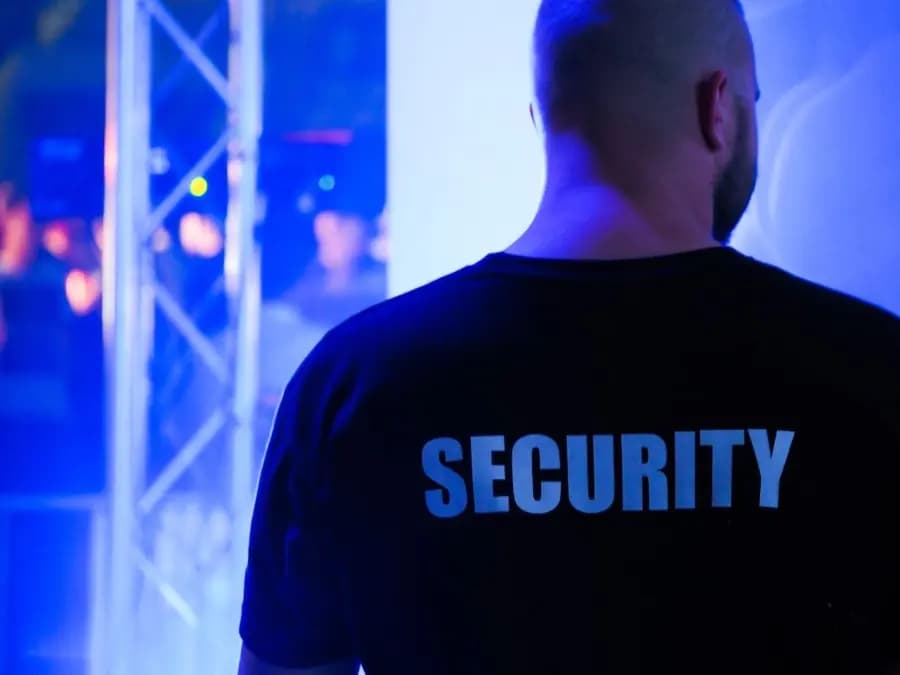
Clubs, bars and the night-time economy: door teams, refusals and ejections logged on the night, with a licence check before anyone works a door.

Handler and dog logged as a single deployable unit, with certification dates and rest periods tracked against the shift.

Multi-site rounds with GPS-stamped arrival and departure, lock-up and unlock, keyholding and response times you can show a client.
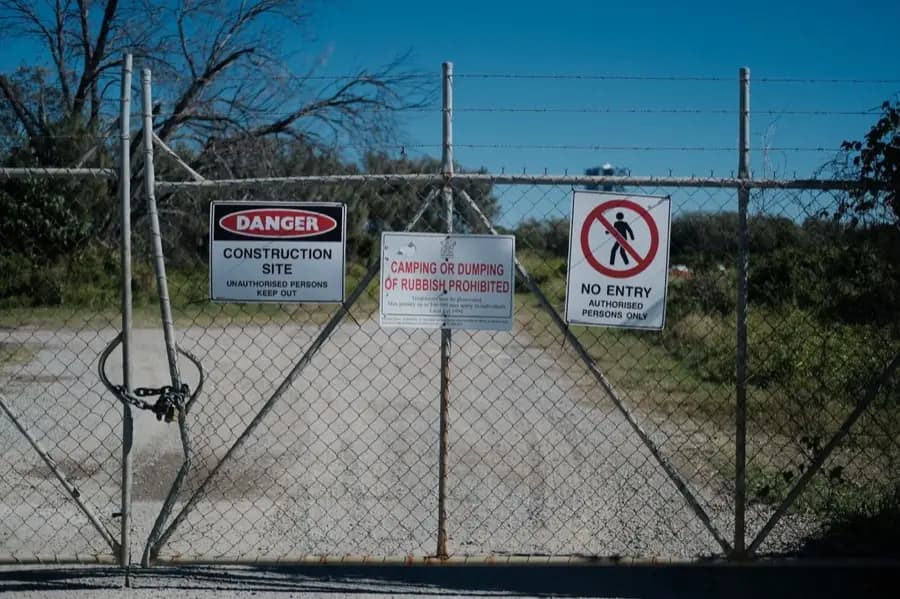
Plant and materials protection, hoarding checks, delivery gate control and the site diary an insurer will accept after a theft.

Distribution centres and industrial estates: goods-in checks, trailer seals, shrinkage reporting and search records held per shift.

Loss prevention, detentions and civil recovery paperwork, plus banning notices and incident packs shared to centre management.

Pit and barrier teams, ejections and capacity counts — with a licence check on every officer before the gates open.

Remote video response, alarm verification and out-of-hours cover, with operator activity logged against the same site record as the guards.

Concierge and reception security, where the officer is the first person a client's customers meet — presentation and training tracked accordingly.
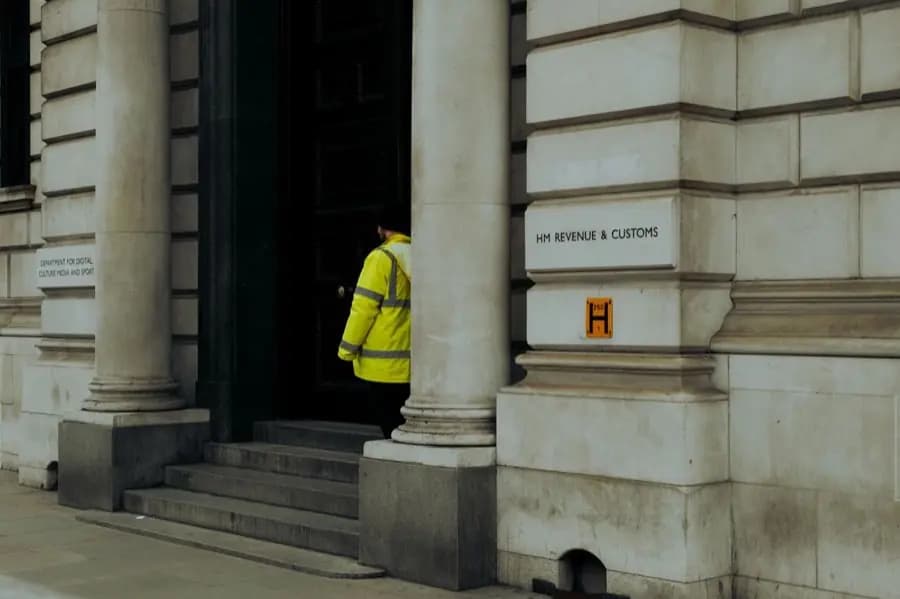
Public-sector contracts with tighter vetting and audit expectations — screening files, clearances and access logs held to the standard the contract demands.

Empty commercial and residential stock: sealed-unit checks, squatter and fly-tipping reports, and evidence dated for the insurer and the landlord.
The gap that costs you
A spreadsheet for the rota. WhatsApp to tell people about it. A paper book for attendance. Another spreadsheet for licences. Every gap between them is an argument about hours, an unbillable shift, or a compliance failure a client finds first.
Check-in by text message means the start time is whenever someone remembered to send it.
A renewal missed on a spreadsheet becomes an officer working a site on an expired badge.
A client asks whether a patrol happened, and a signed paper book is the only answer.
Ringing round at 2am to check everyone is safe is not a safety system.
Put a number on it
You are paying it every month, just not on an invoice. Move the sliders to your own numbers.
Every month, roughly
£572
of someone’s time, spent moving hours between a spreadsheet, a phone and payroll.
Your numbers, multiplied — 6 hrs × £22 × 4.33 weeks. It ignores the disputed hours and the unbilled overtime, which are usually the bigger number.
One system
Each part feeds the next. Nothing here is a separate product you have to reconcile at the end of the month.
Drag shifts from reusable patterns, fill gaps from a list of who is actually available, and publish to every phone at once. If someone is not qualified to work a site, the rota says so before you assign them — not after.
The rota knows who holds a valid licence, so an expired badge cannot quietly end up on a client site.
More on rota & scheduling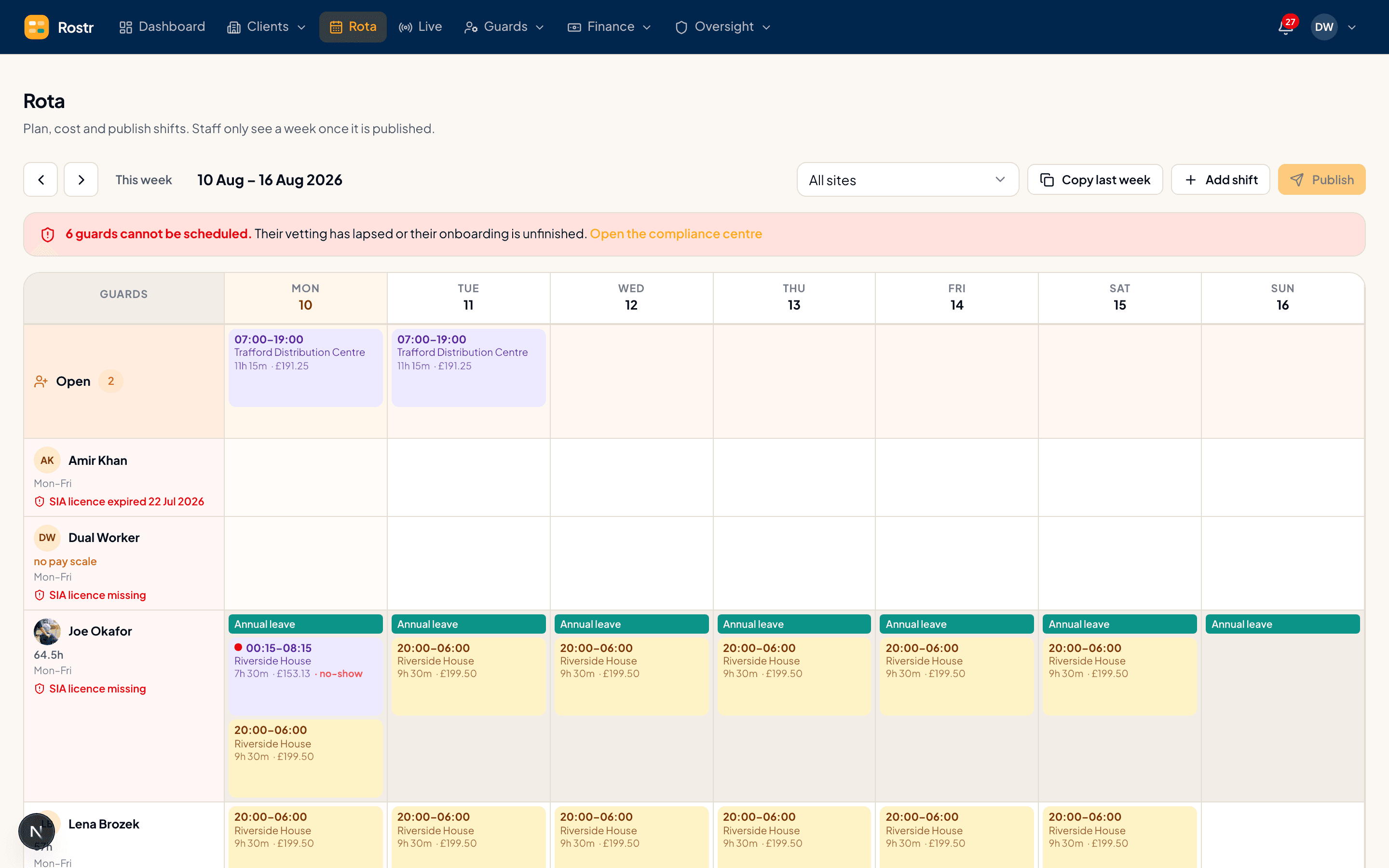
Site instructions, patrol routes, the occurrence book and every incident report held against one live site record — versioned, acknowledged, and on the phone before anyone books on. The screen opens on the sites with nothing written at all, because that is the order an ACS assessor will find them in.
A document that exists is not the same as a document in force. Acknowledgements are the difference, and they are recorded per officer per version.
More on post orders & site records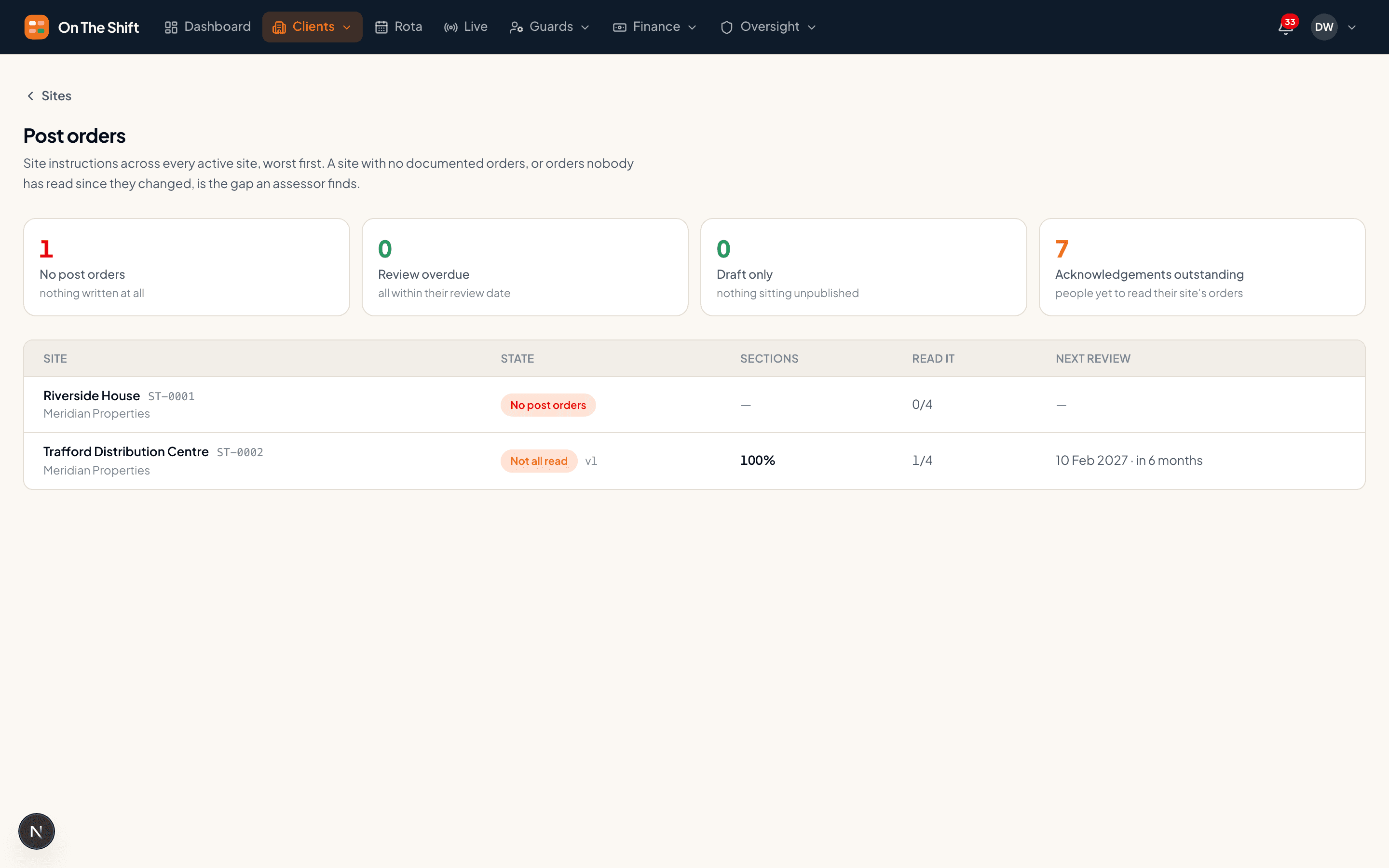
Staff see their shifts, get directions, read the arrival instructions for that specific site, and clock in and out. No training, no handsets to buy, no paperwork to chase at the end of the month.
Check-in data becomes the timesheet. Nobody types hours in twice.
More on the staff app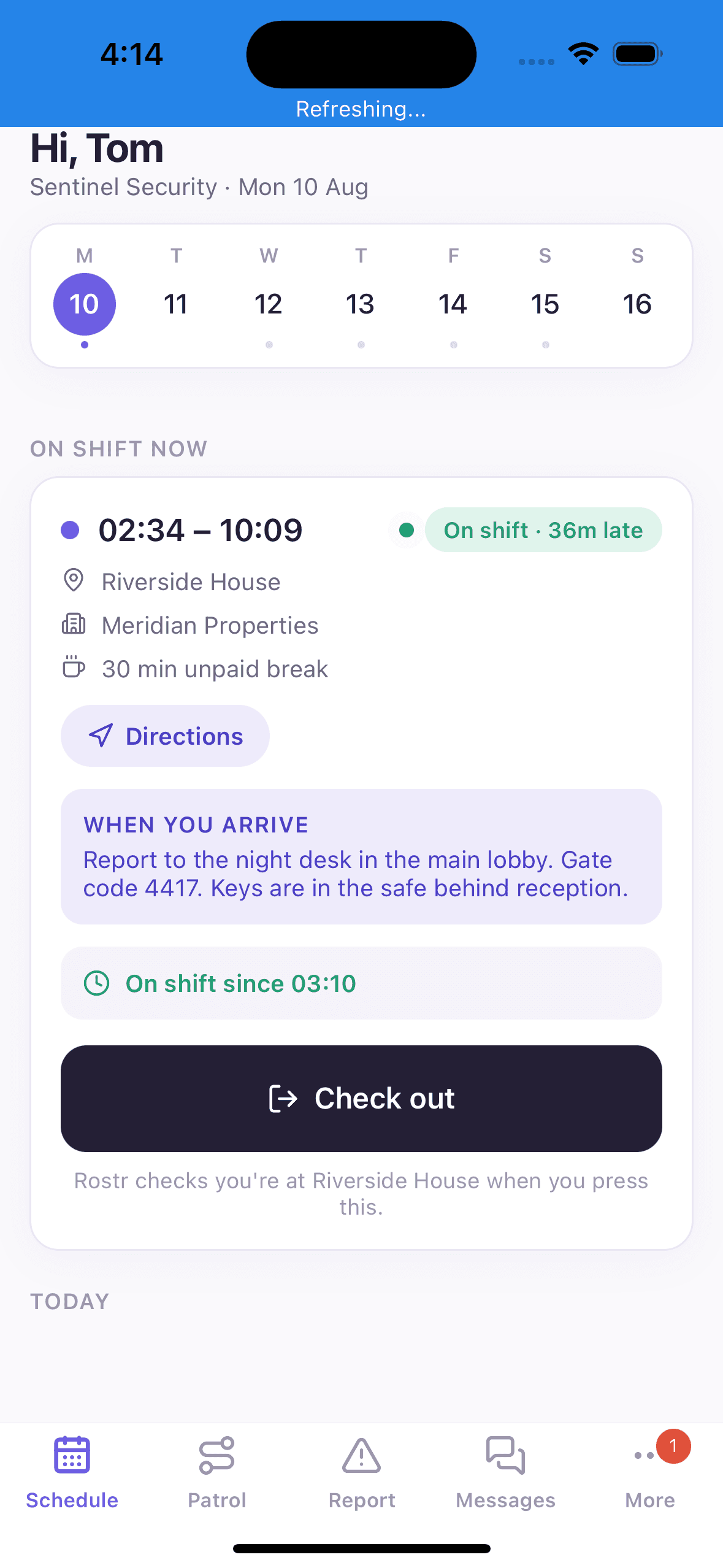
On The Shift asks each lone worker to confirm they are safe at an interval you set. If they do not answer within the grace period, your control room is told — automatically, with their name, their site and when they were last seen.
Safety features keep working even if an account is suspended for billing. We do not take an alarm away from a person to settle an invoice.
More on lone worker safety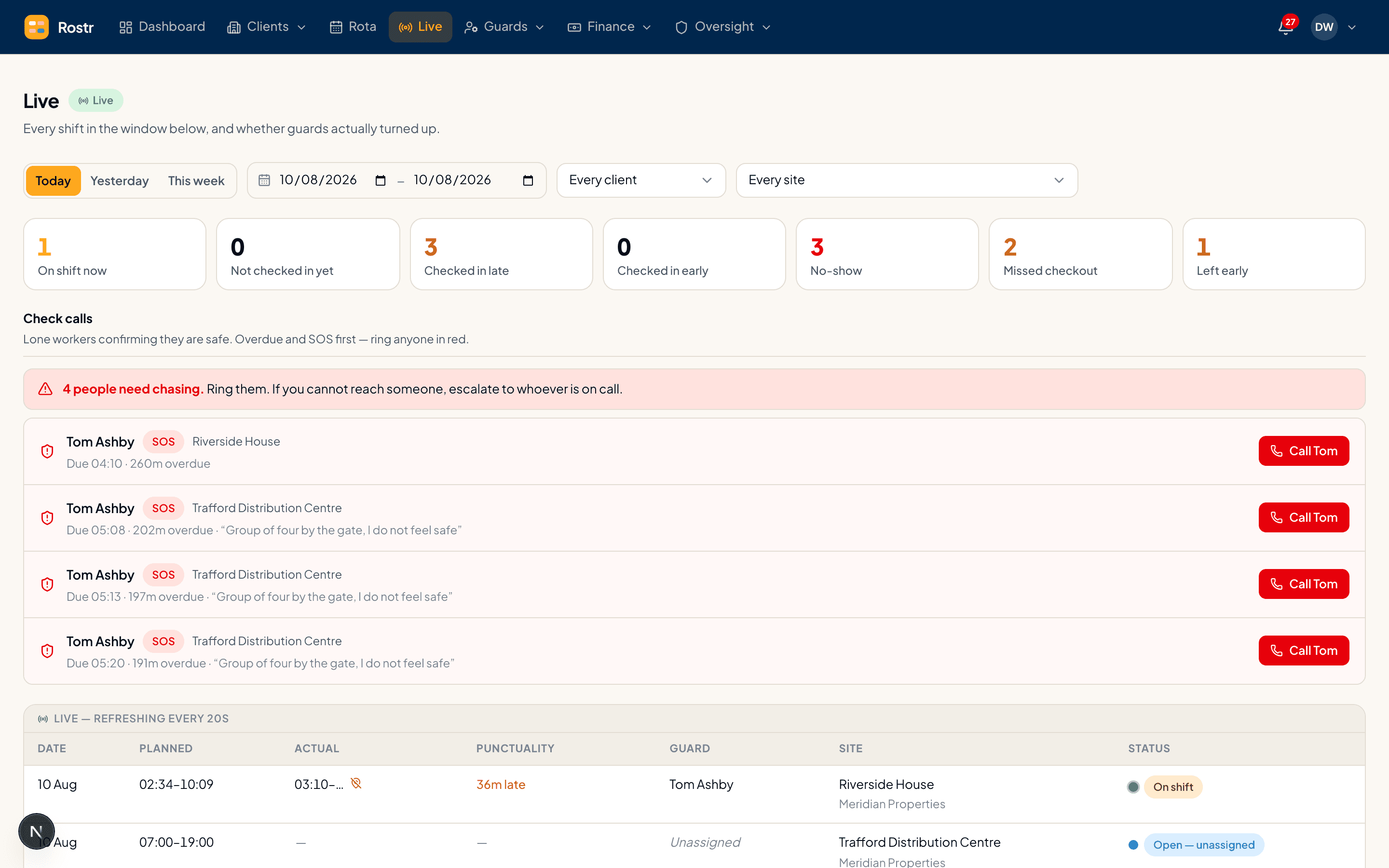
Track SIA licences, right to work, DBS certificates and anything else you need. Set which documents block scheduling, and On The Shift simply will not let an unqualified person be rostered.
One place to answer 'prove everyone on this site was licensed on the night in question'.
More on compliance & vetting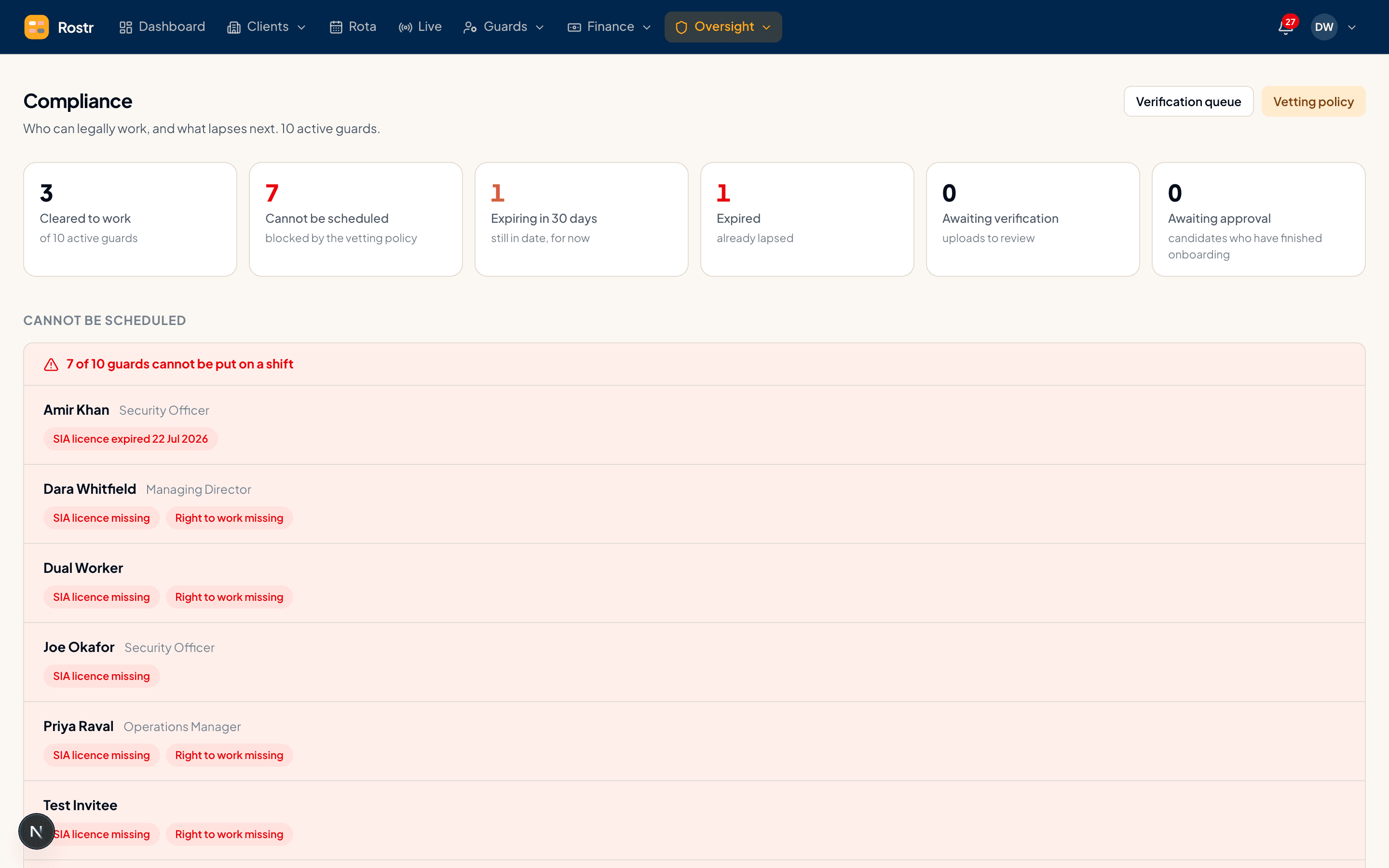
Timesheets are built from real check-in and check-out data, with breaks, overtime and holiday already applied. Approve the exceptions, export to payroll, and invoice the client from the same approved hours.
Payroll goes from a day of spreadsheets to an export and a coffee.
More on timesheets & pay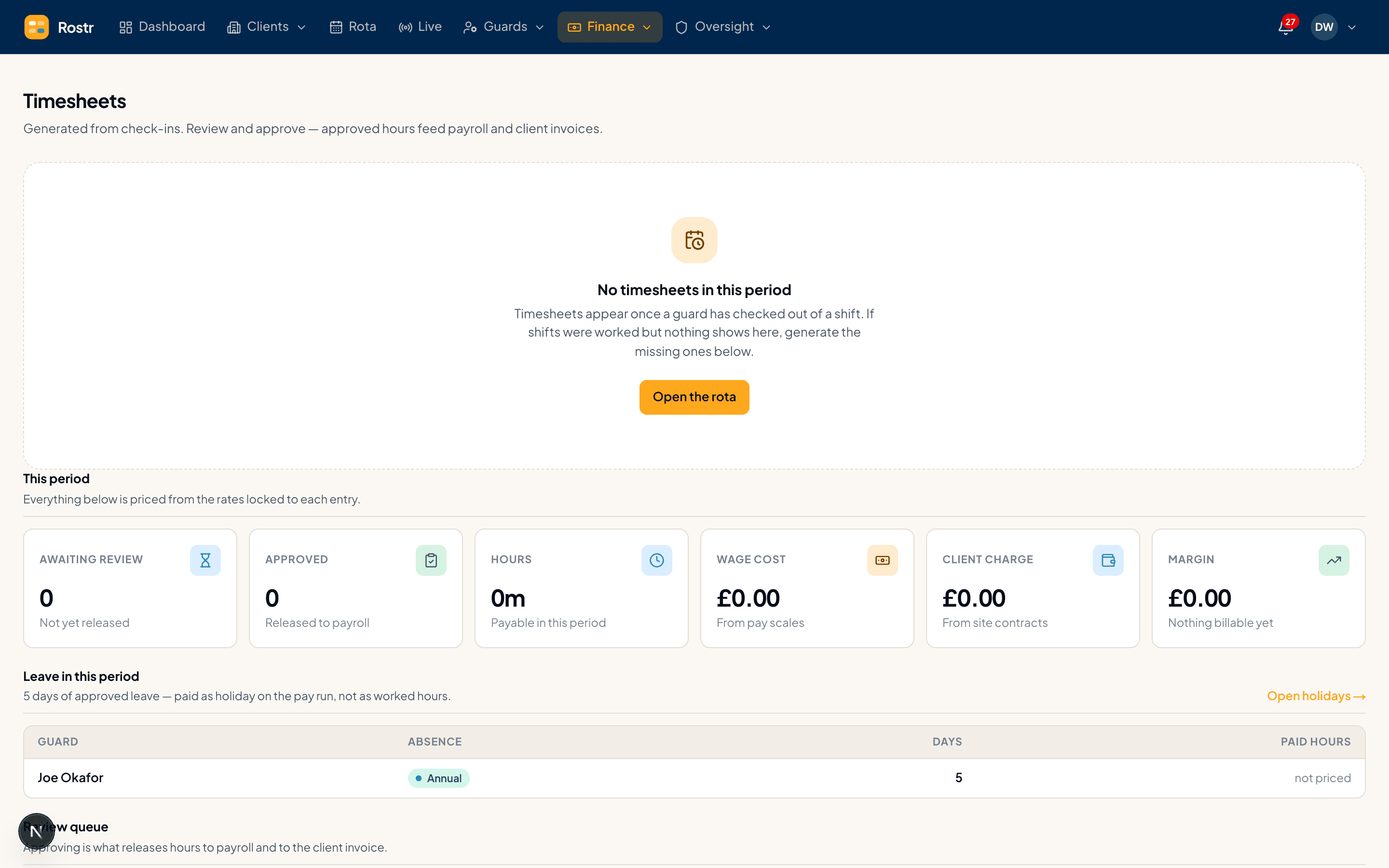
Place NFC tags or QR stickers at checkpoints, numbered in the order they should be visited. Guards tap each one as they go, and you get a timestamped route rather than a signature in a book.
Answers the client question that ends contracts: 'how do I know anyone actually walked it?'
More on patrols & checkpoints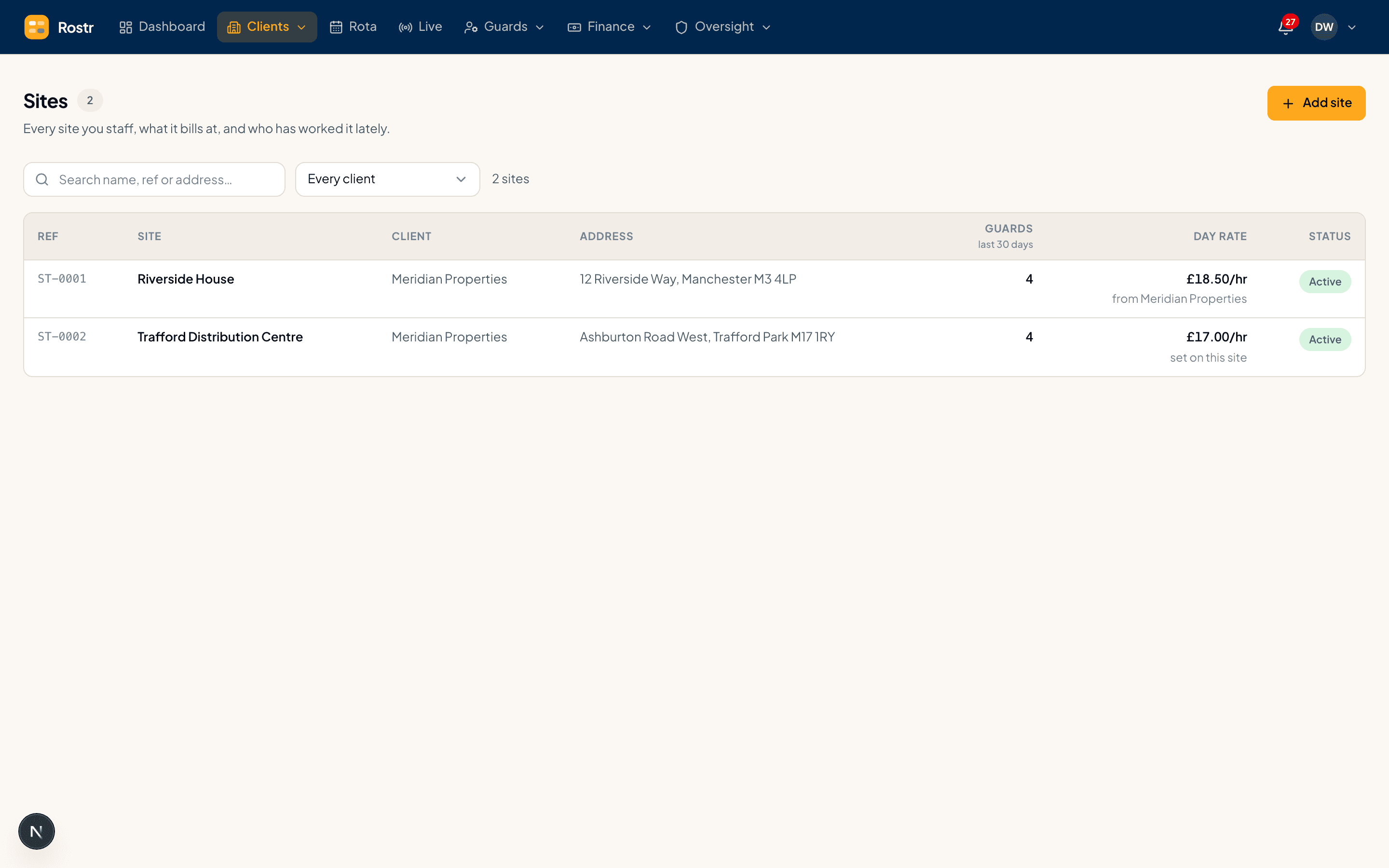
Getting started
Not a six-month implementation. Setup takes about ten minutes; the rest is deciding your own rules.
Lone worker safety
Reminders are scheduled by the handset’s operating system, not sent from a server, so they arrive in a basement and with the app closed. If nobody answers within the grace period, your control room is told automatically — with a name, a site and a last-seen time.
Offline
reminders fire without any signal
One tap
to raise an alarm with location
And it stays on. If an account is ever suspended over an unpaid invoice, check calls and SOS keep working. We do not take a safety alarm off a person to settle a bill.
The staff app, on the phone they already own
What operators say
I used to lose most of Sunday to next week's rota. Patterns and copy-last-week did away with that almost entirely. The team see it the moment I publish.
It refused to let me put someone on a site with a lapsed SIA card. I'd have missed it. That one refusal is worth the subscription on its own.
That was the bit I was worried about. Company code, email, done — and it keeps working in the car park where there's no signal. Check-in disputes have stopped.
Placeholder reviews — replace with Trustpilot’s official widget once the profile is live.
In their words
Six things operators tell us after the first couple of months. Each one is about a different part of the system.
“Nobody debates hours any more, because the hours came from the door. That one change removed most of the friction between the office and the officers.”
“We used to prepare for the ACS assessment for a fortnight. Now we export what already happened and spend the afternoon on it.”
“We were losing money in the gap between what we billed and what we paid, and we could not see the gap until it was measured.”
“The check calls run themselves now. My supervisors got a shift's worth of time back every single night, and nothing depends on somebody remembering at 3am.”
“An officer with an expired badge simply cannot be put on a site. It stopped being something we had to remember and became something that cannot happen.”
“Client complaints about missed sites get answered with a timestamp instead of an apology. The complaints themselves dropped once staff knew it was recorded.”
Who it’s for
Pick your sector at signup and the whole product changes its vocabulary and its rules. Sites and officers, not a generic scheduler with your words pasted over it.
Manned guarding, mobile patrols, event security and door supervision. On The Shift knows what an SIA licence is, what a check call is for, and why a patrol needs to be evidenced rather than assumed.
12.07% holiday accrual applied correctly, per hour worked
When the same twelve people cover forty buildings, the difference between profit and loss is whether the hours you invoice match the hours you paid for.
0 hours retyped between clock-in and payroll
Planned maintenance and reactive callouts across a portfolio, with the certification checks and attendance evidence your clients build their own reporting on.
Live view of who is on site right now
Straight answers
“My team won't use an app”
They already use one — this runs on the phone in their pocket, with no training. Signing in is a company code, an email and a password. Most guards use exactly two buttons: check in, and check out.
“We've been burned migrating before”
Bring a spreadsheet of your people and we import it on the call. You can run On The Shift alongside what you have for a month; nothing is deleted and there is no exit fee if it is not working.
“We're too small for this”
Starter is £34.99 a month and covers up to 10 staff. If you spend two evenings a week building a rota, it costs less than the time it gives back.
Last step
Half an hour, screen shared, using your sites and your shift patterns rather than a demo account. We build one of your real weeks live on the call.
Prefer to just try it? Start a 30-day trial with no card and no call. The demo is for people who would rather be shown than read documentation.
Step 1
So we can show you the version built for your work, not a generic tour.